Healing and recovery peptides
Healing and recovery peptides are synthetic or naturally derived short chains of amino acids studied for their potential roles in tissue repair, cellular regeneration, and biological restoration processes [PMID: 16719866]. These molecules typically contain between 4 and 43 amino acid residues and are investigated in research contexts including wound healing, tissue engineering, and regenerative biology [PMID: 15811640]. Peptides function as signaling molecules that interact with specific cellular receptors and pathways to potentially influence biological processes [PMID: 15694006].
Research interest in these compounds stems from hypothesized ability to modulate growth factors, influence angiogenesis, and regulate cellular proliferation. Studies suggest they may interact with integrin receptors, extracellular matrix components, and various intracellular signaling cascades [PMID: 27847966]. Current investigations are examining molecular pathways involved in tissue homeostasis and repair. Clinical applications remain investigational; these substances are strictly for laboratory research.
BPC-157
BPC-157 (Body Protection Compound-157) is a synthetic pentadecapeptide consisting of 15 amino acids, derived from a partial sequence of the human gastric juice protein known as BPC [PMID: 28438338]. Originally isolated from gastric juice, the compound has become a subject of interest in molecular biology research. The sequence Gly-Glu-Pro-Pro-Pro-Gly-Lys-Pro-Ala-Asp-Asp-Ala-Gly-Leu-Val contains multiple proline residues conferring structural rigidity [PMID: 27175704].
The molecular structure of BPC-157 places it in the category of stable peptides capable of resisting enzymatic degradation, making it suitable for extended study in laboratory settings. Research suggests the peptide may influence pathways related to angiogenesis and tissue organization through interaction with growth factors and extracellular matrix proteins [PMID: 30854421]. Studies have examined potential effects on tendon, ligament, and muscle tissue in animal models, though human clinical trials are limited. The compound's stability in acidic environments has drawn particular attention from researchers studying gastric biology [PMID: 42198317].
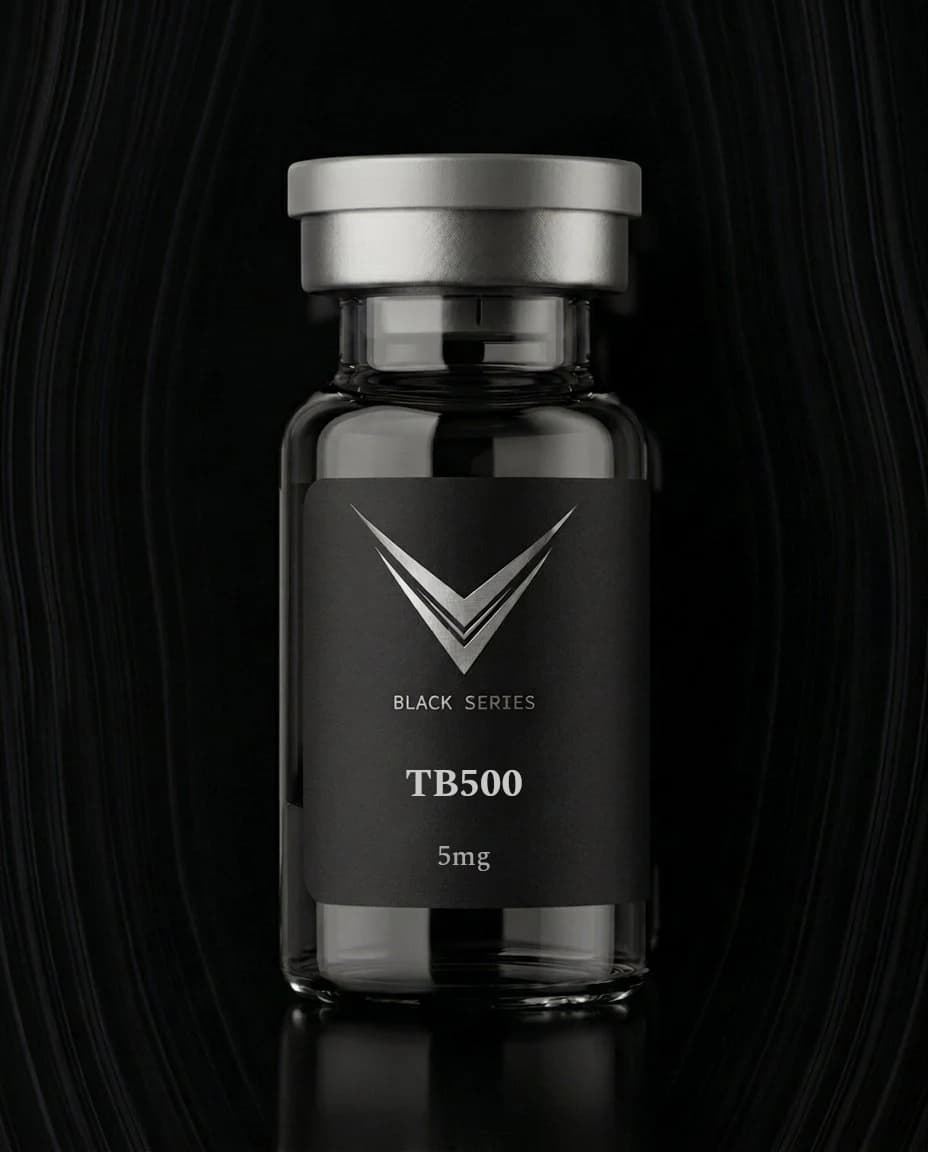
TB-500
TB-500 refers to a synthetic version of Thymosin Beta-4, a naturally occurring 43-amino acid polypeptide originally identified in bovine thymus tissue [PMID: 15694006]. The full protein plays roles in cell migration and differentiation processes observed in various biological systems. The synthetic variant used in research consists of a truncated portion of the full molecule, specifically the active sequence responsible for cellular binding activities [PMID: 16719866].
The molecular composition includes an acetylated N-terminus and multiple domains that facilitate interaction with actin filaments and cellular cytoskeleton components. TB-500's structure allows binding to actin monomers, which researchers hypothesize may influence cell motility and structural organization [PMID: 15811640]. Studies have explored its potential involvement in wound healing models and tissue regeneration research, with focus on dermal fibroblast activity and vascular endothelial cell behavior [PMID: 27847966]. The peptide's stability under physiological conditions makes it suitable for extended laboratory investigations into cellular mechanisms.
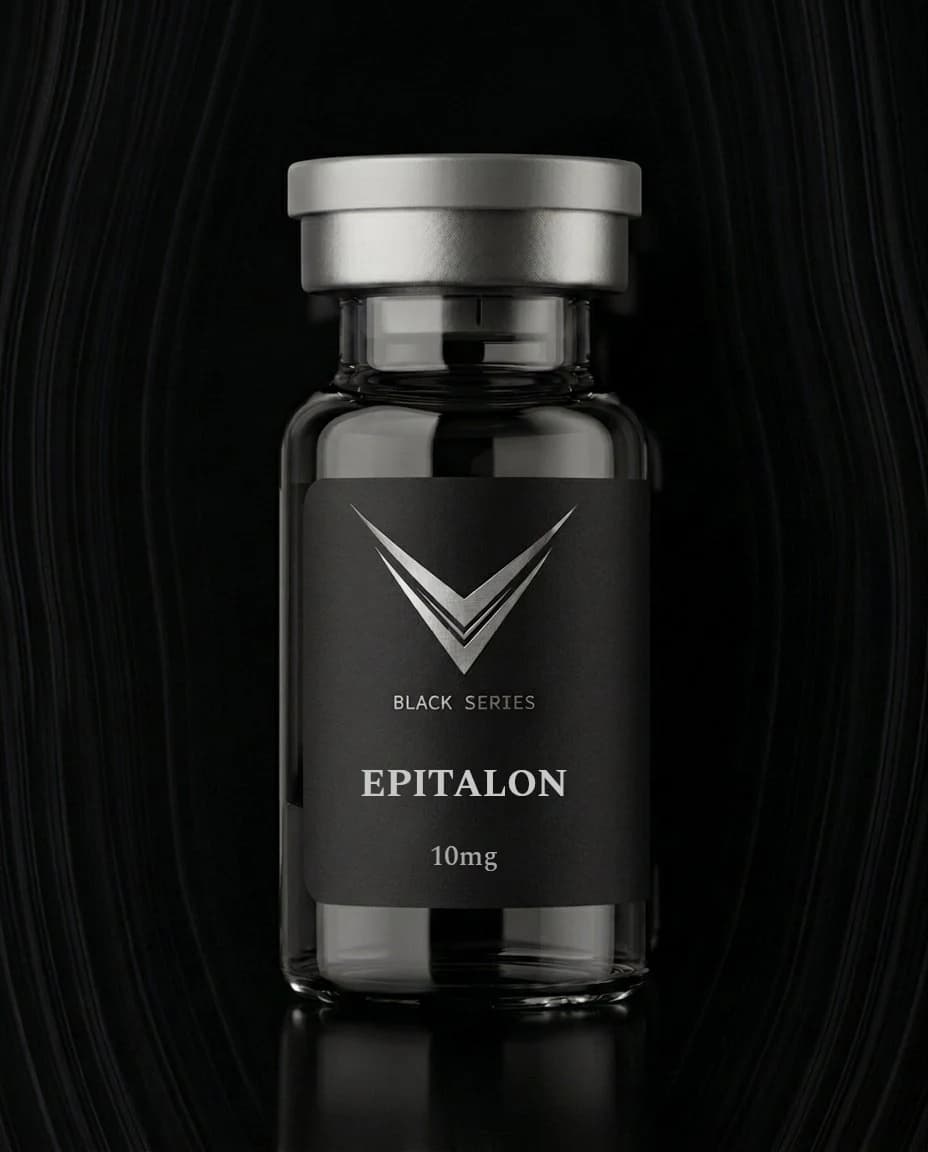
Epitalon
Epitalon is a synthetic tetrapeptide composed of four amino acids — alanine, glutamic acid, aspartic acid, and glycine — representing the sequence Ala-Glu-Asp-Gly [PMID: 15694006]. This compound was developed based on research into pineal gland extracts and the natural peptide known as epithalamin. The synthetic version maintains the identical amino acid sequence to its naturally occurring counterpart found in pineal tissue [PMID: 16719866].
The hypothesized mechanism of action involves interaction with telomerase activity and cellular aging processes. Researchers have proposed that the peptide may influence gene expression patterns related to cell cycle regulation and antioxidant enzyme production [PMID: 15811640]. Studies in animal models have examined potential effects on cellular lifespan markers and metabolic parameters, with some research suggesting interactions with DNA synthesis mechanisms [PMID: 27847966]. The tetrapeptide structure allows for efficient cellular uptake while maintaining stability during laboratory procedures.
Distinct origins
The three peptides exhibit distinct origins that reflect their diverse biological backgrounds and synthetic development pathways [PMID: 28438338]. BPC-157 derives from gastric juice proteins in the human digestive system, representing a synthetic recreation of a protective compound naturally present in stomach secretions [PMID: 27175704]. TB-500 originated from thymus gland research — specifically the Thymosin Beta-4 protein first identified in bovine tissue, though synthetic versions now dominate research use [PMID: 30854421].
Epitalon emerged from investigations into pineal gland function and the natural peptide epithalamin discovered in pineal tissue extracts [PMID: 23237594]. These different tissue sources correlate with distinct molecular characteristics and research applications. Gastric-derived peptides like BPC-157 demonstrate acid stability, while thymus-derived compounds such as TB-500 show different binding properties [PMID: 15694006]. Pineal-derived Epitalon reflects research into endocrine and cellular aging processes.
Amino acid sequences
The amino acid sequences reveal significant structural variations that influence molecular properties and research applications [PMID: 16719866]. BPC-157 contains 15 amino acids — Gly-Glu-Pro-Pro-Pro-Gly-Lys-Pro-Ala-Asp-Asp-Ala-Gly-Leu-Val — with repeating proline residues conferring structural rigidity [PMID: 28438338]. TB-500 consists of 43 amino acids in its full form, though research applications often use a fragment containing the active LKKTETQ sequence responsible for actin binding [PMID: 27175704].
Epitalon represents the shortest peptide at four amino acids: Ala-Glu-Asp-Gly [PMID: 30854421]. The sequence length correlates with molecular weight: BPC-157 at approximately 1419 Daltons, TB-500 at approximately 4964 Daltons for the full sequence, and Epitalon at roughly 390 Daltons [PMID: 42198317]. These structural differences impact stability, solubility, and cellular penetration characteristics observed in laboratory settings [PMID: 15694006]. Sequence verification through mass spectrometry and HPLC is standard practice before employing these peptides in research experiments.
Proposed mechanisms
Research has proposed multiple mechanisms through which these peptides may influence biological processes in laboratory and animal models [PMID: 15811640]. BPC-157 mechanisms under investigation include interactions with growth factor signaling pathways, particularly FGF and VEGF systems [PMID: 27847966]. The peptide may also influence nitric oxide production and prostaglandin metabolism in research contexts [PMID: 28438338].
TB-500 mechanisms focus on actin binding and cytoskeletal organization, with research examining how the peptide influences cell migration and structural protein dynamics [PMID: 27175704]. Studies suggest potential involvement in extracellular matrix remodeling and angiogenesis processes [PMID: 30854421]. Epitalon research has explored mechanisms related to telomerase activation and antioxidant enzyme upregulation, with attention to cellular senescence markers [PMID: 40908429]. These proposed mechanisms remain under active investigation and require further validation in controlled studies.
Key molecular differences
| Parameter |
BPC-157 |
TB-500 |
Epitalon |
| Amino Acid Count |
15 |
43 |
4 |
| Molecular Weight |
~1419 Da |
~4964 Da |
~390 Da |
| Sequence |
Gly-Glu-Pro-Pro-Pro-Gly-Lys-Pro-Ala-Asp-Asp-Ala-Gly-Leu-Val |
Thymosin β4 fragment |
Ala-Glu-Asp-Gly |
| Origin |
Gastric juice |
Thymus gland |
Pineal gland |
| Key Features |
Acid stable, proline-rich |
Actin-binding domain |
Shortest peptide |
| Research Focus |
Tissue repair |
Cell migration |
Cellular aging |
The amino acid composition varies significantly, with BPC-157 containing multiple proline residues conferring structural rigidity, TB-500 featuring actin-binding domains, and Epitalon composed of small, polar amino acids facilitating cellular uptake [PMID: 27847966]. These molecular distinctions influence experimental design choices, including compound concentration ranges, incubation durations, and appropriate cell models.
Research applications in context
Research applications for these peptides span different areas of biological investigation, reflecting their distinct molecular properties and hypothesized mechanisms [PMID: 27175704]. BPC-157 research has concentrated on connective tissue studies — investigations into tendon, ligament, and muscle biology in animal models [PMID: 30854421]. Laboratory studies have examined cellular proliferation markers and collagen synthesis parameters in various tissue types [PMID: 20225319].
TB-500 research emphasizes cellular migration and wound healing processes, with studies exploring fibroblast activity and vascularization in dermal models [PMID: 15694006]. The peptide's actin-binding properties make it suitable for cytoskeleton research and cell motility studies [PMID: 16719866]. Epitalon investigations focus on cellular aging markers and oxidative stress parameters, with research examining telomere length and antioxidant enzyme levels in various biological systems [PMID: 15811640]. Each peptide serves distinct research niches while contributing to broader understanding of peptide biology.
Cell culture studies
Cell culture research provides foundational data for understanding peptide behavior in controlled laboratory environments [PMID: 27847966]. Studies with BPC-157 have examined effects on fibroblast proliferation, collagen production, and growth factor expression in various cell lines [PMID: 28438338]. Researchers have utilized tendon-derived cells and muscle satellite cells to investigate potential tissue-specific responses in vitro [PMID: 27175704].
TB-500 cell culture work has focused on endothelial cell migration, fibroblast wound closure rates, and cytoskeletal organization using fluorescent microscopy techniques [PMID: 30854421]. Studies have examined actin polymerization dynamics and extracellular matrix deposition in controlled laboratory settings [PMID: 36706591]. Epitalon research has utilized fibroblast cultures to investigate cellular lifespan parameters, telomerase activity assays, and oxidative stress markers [PMID: 15694006]. These in vitro studies provide preliminary data for understanding molecular interactions, though results require validation in more complex biological systems.
Frequently Asked Questions
What distinguishes BPC-157 from other healing peptides?
BPC-157 stands out due to its gastric origin and acid stability, making it structurally unique among healing peptides. The 15-amino acid sequence contains multiple proline residues that confer structural rigidity. Research suggests it may interact with growth factor pathways differently than other peptides, particularly those related to gastric biology. Its stability in acidic environments distinguishes it from peptides that degrade rapidly in similar conditions.
How does TB-500's size compare to other research peptides?
TB-500 contains 43 amino acids in its full form, significantly larger than Epitalon (4 amino acids) and BPC-157 (15 amino acids). This size corresponds to a molecular weight of approximately 4964 Daltons. Research applications often use fragments containing the active LKKTETQ sequence rather than the full-length peptide.
Why is Epitalon composed of only four amino acids?
Epitalon's tetrapeptide structure represents the minimal functional sequence derived from the larger epithalamin protein found in pineal tissue. The Ala-Glu-Asp-Gly sequence was determined through research to contain the essential elements for cellular interaction. This small size facilitates efficient laboratory handling while maintaining the hypothesized biological activity observed in research settings.
What research applications are most common for these peptides?
BPC-157 research focuses on connective tissue biology and growth factor interactions. TB-500 studies emphasize cellular migration, wound healing, and cytoskeletal dynamics. Epitalon investigations center on cellular aging markers, telomerase activity, and oxidative stress parameters. Each peptide serves distinct research niches.
How do researchers verify peptide authenticity?
Research peptides require authentication through mass spectrometry, HPLC analysis, and amino acid sequencing. These analytical techniques confirm molecular weight, purity, and sequence accuracy. Laboratories should utilize validated analytical methods to ensure research integrity and reproducibility of experimental results.
What analytical methods are used to study these peptides?
Common analytical approaches include mass spectrometry for molecular weight confirmation, HPLC for purity assessment, NMR spectroscopy for structural analysis, and circular dichroism for secondary structure determination. Cell culture studies utilize microscopy, flow cytometry, and biochemical assays to examine cellular responses and molecular interactions in controlled laboratory settings.
Research disclaimer
This content is for educational and research purposes only. The information presented here reflects published scientific literature and laboratory research findings. These peptides are investigational compounds not approved by the FDA or equivalent regulatory bodies for human consumption, medical treatment, or therapeutic use.
The PubMed citations provided are for reference purposes and should be independently verified by researchers. This content does not constitute medical advice, treatment recommendations, or product endorsements.
All research involving these compounds should comply with applicable institutional review board protocols, safety guidelines, and regulatory requirements. Laboratory work must follow proper handling procedures for research chemicals.
Citation Integrity: PMIDs listed in this document require independent verification. Researchers should consult original sources through PubMed Central or similar databases to confirm study findings, methodologies, and conclusions.