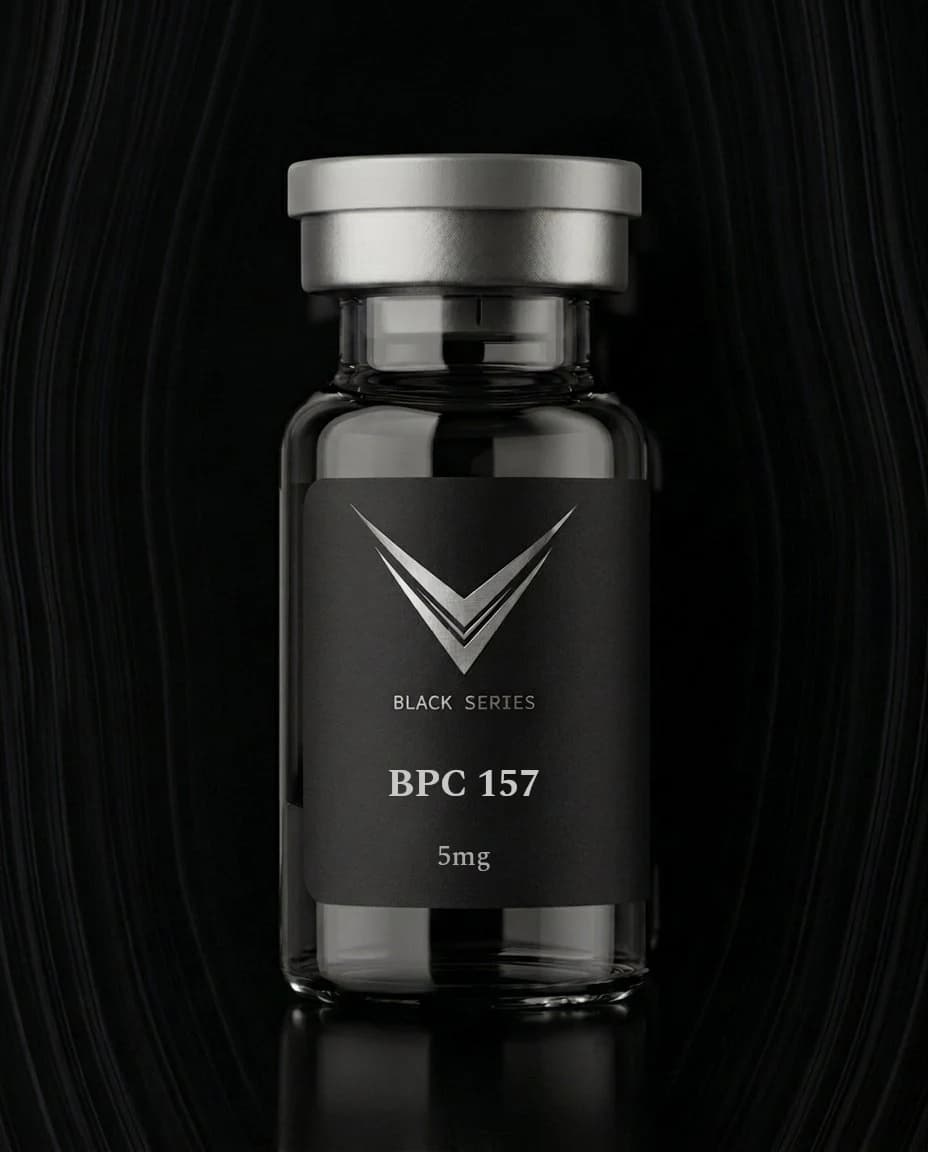
BPC-157 is discussed today across tissue repair, vascular, and neuronal research, but none of those were the setting it came from. The pentadecapeptide was isolated as a fragment of a protective protein found in human gastric juice, and the first body of work around it was gastric cytoprotection research. That origin is not a footnote. It determines which models the primary literature used, which readouts were measured, and why so much of the published mechanism work reads the way it does.
What cytoprotection means as a laboratory term
Cytoprotection in the gastric literature has a narrow, technical meaning: a reduction in cellular injury from a defined chemical or physical insult, measured in a tissue or cell model against a matched control. It is not a general statement about tissue quality. The term entered use through work on gastric mucosa, where a protective factor could be evaluated by exposing tissue to an injurious agent and quantifying the resulting damage.
That framing matters for reading BPC-157 papers, because the endpoint in a cytoprotection model is comparative and model-bound. The finding is that injury was lower in the treated condition than the control condition in that system, under those conditions. It is not a statement about outcomes in an intact organism, and the primary literature generally does not present it as one.
The gastric juice origin
BPC-157 is described in the literature as a fragment of a protective protein reported in human gastric juice. That description deserves a qualifier that is usually dropped. The originating work described a protein fraction in gastric secretions with protective properties in tissue models, and the 15-residue sequence was put forward as the portion associated with those observations. Later reviews note that the peptide is not known to occur in nature as such, meaning the fragment is a synthetic construct derived from a claimed parent rather than a molecule demonstrated to exist independently in tissue. The name Body Protection Compound comes from that research context, and the number is a designation rather than a structural descriptor.
The distinction matters because the compound is routinely described as a naturally occurring human peptide, which overstates what the record supports. What can be said is narrower: the sequence was proposed on the basis of a gastric-protein fraction rather than designed against a target, and the discovery is traced to gastric cytoprotection research in the early 1990s. Whether the free 15-mer exists as such in tissue is a separate claim, and it is not established.
Why the mucosal model was the starting point
Gastric mucosa is a convenient system for injury research. The tissue is continuously exposed to acid and enzymatic activity in normal function, has a well-characterized barrier structure, and responds to a range of reproducible chemical insults. That combination made it a standard platform for evaluating protective factors well before BPC-157 existed as an isolated sequence.
The practical consequence is that the earliest BPC-157 findings are mucosal findings. Reports of protective effects against chemical injury, of changes in barrier-associated readouts, and of effects on epithelial cell behavior all came out of that model class. Later work extended into endothelial, fibroblast, and neuronal culture systems, but the mucosal work is the substrate the rest was built on, and its assumptions carried forward.
Which mechanisms were characterized in the gastric setting
Several of the mechanistic threads now associated with BPC-157 originate in gastric work. The nitric oxide system is the clearest case: reported studies characterize effects on nitric oxide synthase expression and activity, and gastric tissue models were where NO-mediated protective responses were examined. The prostaglandin system appears the same way, with the literature describing modulation of prostaglandin E2 synthesis and receptor signaling in epithelial cell cultures.
Growth factor signaling entered through the same door. Epidermal growth factor receptor phosphorylation and downstream signaling were examined in epithelial cultures, where migration and closure in scratch assays are standard readouts. Vascular endothelial growth factor and fibroblast growth factor work followed as the research moved into endothelial and fibroblast systems.
None of these are gastric-exclusive pathways, which is precisely why the literature expanded. But the initial characterization happened in a tissue chosen for injury research, and the readouts reflect that.
Reading model-bound findings correctly
A recurring interpretive error in secondary summaries of BPC-157 is treating a mucosal cytoprotection result as a general property. The record supports something more specific: in defined gastric tissue and epithelial culture models, the peptide produced measurable differences in injury-associated readouts and in the signaling pathways listed above.
Three limits are worth holding onto. First, model systems select for mechanisms they can express, so a pathway that dominates in gastric epithelium may be minor elsewhere. Second, cytoprotection endpoints are comparative rather than absolute, and their magnitude depends on the insult used. Third, the published mechanism work is preclinical throughout, based on cell cultures, tissue explants, and biochemical assays rather than controlled clinical investigation. Reviews of this literature characterize the existing literature as preliminary on exactly those grounds.
What the origin implies for current research use
For a laboratory setting up BPC-157 work today, the gastric origin is useful context rather than a constraint. It tells you which findings are best replicated, which readouts have established protocols behind them, and where the mechanistic claims are anchored. Epithelial injury and migration assays have the deepest methodological history for this compound; vascular and neuronal work is more recent and less consolidated.
It also explains the structural characterization emphasis in the literature. A sequence proposed as a fragment of a larger protein has to be shown to be the right sequence, so confirmation by mass spectrometry and Edman degradation sequencing appears early and often in the record. That expectation persists: research applications call for material with a verified sequence and documented analytical characterization, including chromatographic purity and mass spectrometric identity confirmation.
FAQ
What does BPC stand for?
Body Protection Compound. The name comes from the original research context, where the parent protein fraction was studied for protective properties in gastric tissue. The 157 designation refers to the fragment, not to any structural feature.
Was BPC-157 designed or discovered?
Neither description is quite right. The sequence was proposed as a fragment of a protective protein reported in gastric juice rather than designed against a target, but reviews note the peptide is not known to occur in nature as such. It is best described as a synthetic construct derived from a claimed parent protein, which is different from a naturally occurring peptide that was isolated and then reproduced.
Does the gastric origin limit which research applications are valid?
No, but it shapes which findings have the most methodological history behind them. Epithelial and mucosal injury models have the longest published track record for this peptide. Vascular, fibroblast, and neuronal systems appear later in the literature and are less consolidated.
Is cytoprotection the same as tissue repair?
They are different endpoints. Cytoprotection describes reduced cellular injury against a defined insult, measured comparatively in a model system. Tissue repair research measures processes such as cell migration, matrix production, and angiogenesis. BPC-157 appears in both literatures, but the readouts and the model systems differ.
How mature is the underlying evidence base?
Preclinical. The record consists primarily of cell culture studies, tissue models, and biochemical assays. Reviews of this literature describe the literature as preliminary and call for standardized protocols and independent replication of key findings.
Research Use Only: All compounds sold by Black Series Lab are intended exclusively for laboratory research. Not for human or animal consumption. These products are not drugs, supplements, or food. Statements have not been evaluated by the FDA. Must be 21+ to purchase.
Stay in the loop
New compounds, research updates & exclusive subscriber deals.